
About Antique Tables Co
Bridging historical cabinetmaking scholarship, timber forensics, and secondary market analytics to build the definitive digital encyclopedia for antique table authentication.
Our Mission: Democratizing Antique Furniture Forensics
For centuries, the decorative arts marketplace has operated behind closed doors. Estate sale inheritors, antique shoppers, and historical furniture owners have long faced a fragmented landscape of conflicting dealer opinions, outdated 1990s price guides, and prohibitive appraisal fees. Many families unwittingly sell authentic 18th-century masterpieces for pennies at yard sales, while others overpay thousands of dollars for 1940s assembly-line reproductions.
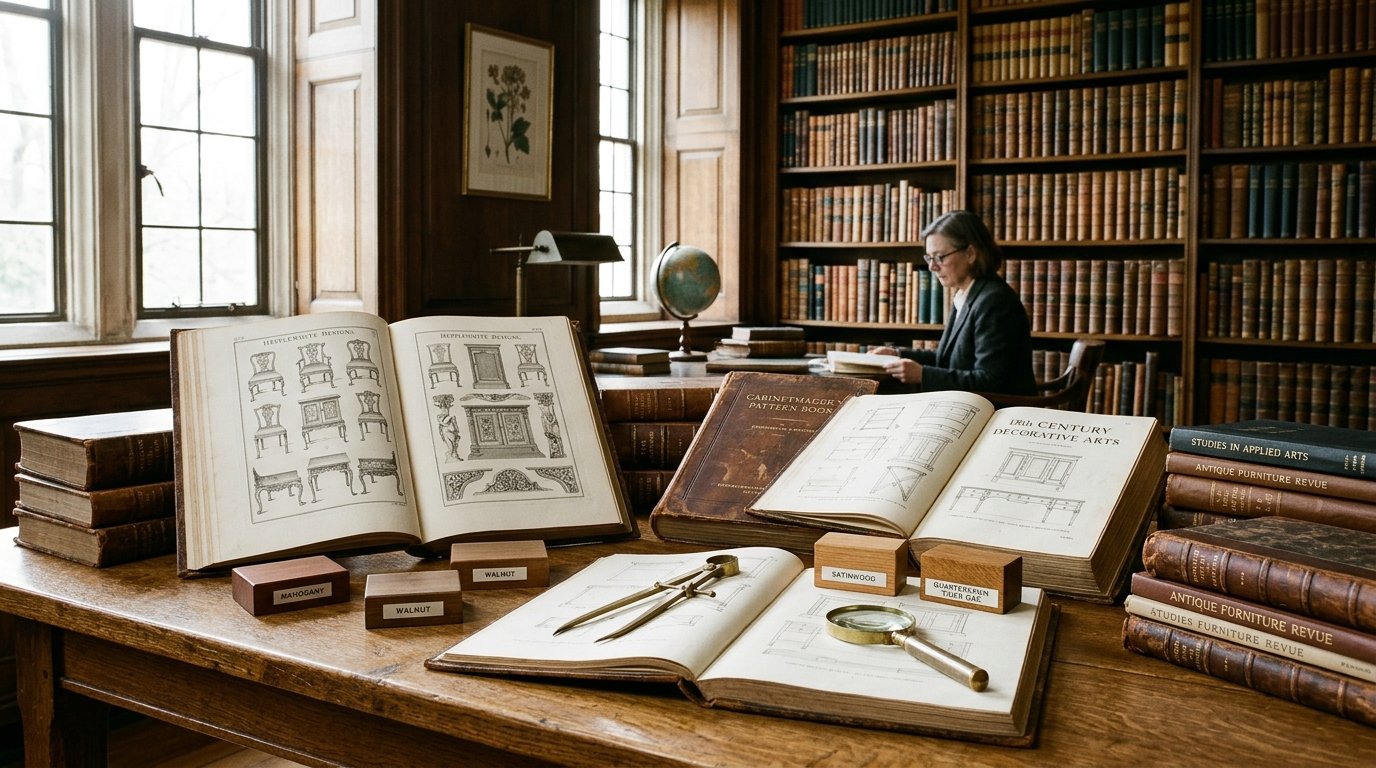
Antique Tables Co was founded to solve this information asymmetry. By combining high-resolution macro photography, historical joinery taxonomy, dendrochronological timber science, and verified secondary auction comps, we provide collectors, conservators, and homeowners with transparent, museum-grade reference tools to accurately identify, date, and value historical tables.
Founder & Curatorial Leadership
Meet the team and researcher behind our comprehensive reference compendium:
Akhil Arya
Founder & Archival Director
Akhil Arya is the founder, managing director, and principal research architect of Antique Tables Co. Driven by a lifelong fascination with material culture, historical timber evolution, and technical documentation, Akhil established the platform to build the world’s most comprehensive, open-access digital compendium dedicated exclusively to antique tables.
Overseeing editorial research, digital archival digitization, and algorithmic auction comp analysis, Akhil coordinates forensic field guides detailing tool marks (hand-cut dovetails vs. Knapp joints, vertical sash saw kerfs vs. circular saw arcs, hand-filed screws), timber cellular structures, and manufacturer provenance across American, English, and Continental design movements.
— Akhil Arya, Founder
The Antique Tables Co Editorial & Curatorial Collective
Our guides and appraisal methodologies are produced through a collaborative panel of independent furniture researchers, timber analysts, and conservation contributors. Each analytical guide is researched using primary cabinetmaker manuals, historical patent filings, and verified museum specimens:
Specializing in 17th- to 19th-century joinery: drawbore pegs, mortise-and-tenon variations, and mechanized drawer patents.
Differentiating Cuban mahogany, black walnut, quartersawn oak, and American chestnut from modern Asian/African substitutes.
Tracking live auction hammer comps, condition penalty matrices, and fair market resale values across North America and Europe.
Archival Reference Standards & Research Foundations
Our historical documentation and dating benchmarks adhere to established research standards from premier decorative arts institutions and public archives:
The Metropolitan Museum of Art
American Wing decorative arts catalog, Duncan Phyfe documented commissions, and 18th-century cabinetmaking archives.
Winterthur Museum & Library
The Joseph Downs Collection of Manuscripts, regional Delaware Valley & New England joinery records, and historical price books.
The Chipstone Foundation
American Furniture scholarly journals, Early American timber taxonomy, and regional furniture school attributions.
USDA Forest Products Laboratory
Cellular hardwood micro-structure, vascular pore patterns, transverse shrinkage rates, and end-grain identification guides.
U.S. Patent & Trademark Office
Historical patent records for table hardware: Knapp dovetail machine (1870), Watertown Slide Co. (1889), and gimlet screws (1846).
Secondary Auction Databases
LiveAuctioneers, Invaluable, Freeman’s/Hindman, Skinner/Bonhams, Christie’s, and Sotheby’s realized hammer price archives.
Our Four Core Editorial Principles
How we maintain uncompromised trust and independence across every published guide:
We do not buy, sell, or consign antique furniture. We have zero commercial incentive to lowball appraisal estimates or artificially inflate retail values.
Every guide provides concrete physical tests (denatured alcohol swabs, cross-grain shrinkage measurements, UV blacklight fluorescence) that readers can perform themselves.
Our valuation tables reflect actual cash realized at open auctions and estate sales—not hypothetical dealer gallery price tags.
We actively invite furniture conservators, museum curators, and wood science researchers to submit corrections or archival updates to contact@antiquetablesco.com.